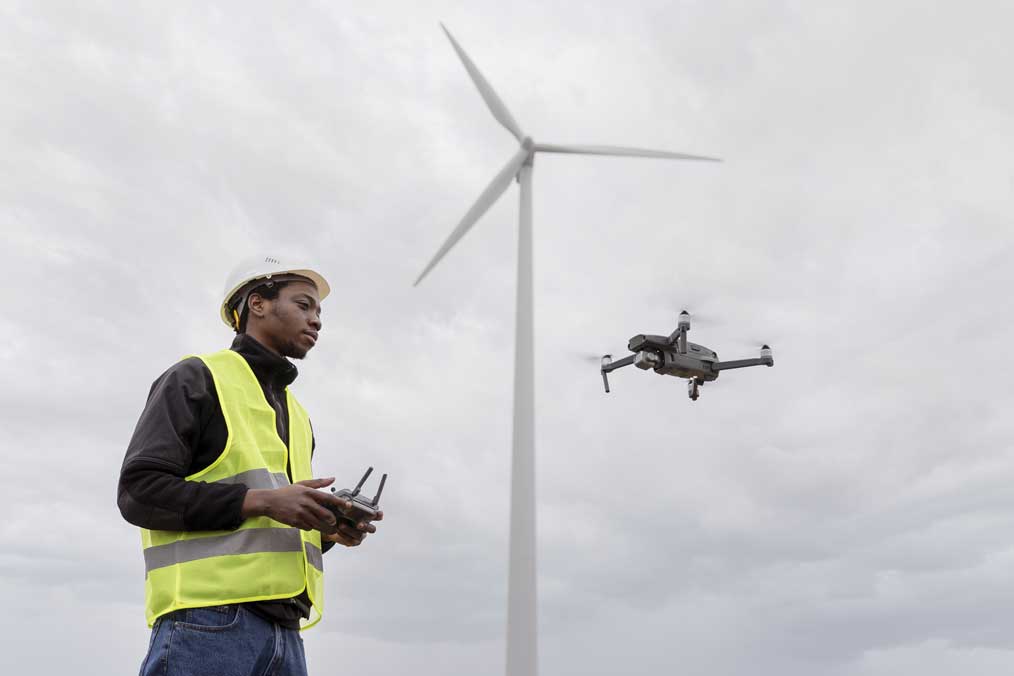
Lone working is more common than ever across industries, from field engineers and carers to estate agents and delivery drivers. While flexibility and independence are benefits, they also introduce unique safety risks that employers cannot afford to ignore. This is where lone worker devices play a crucial role in protecting staff and maintaining compliance with UK health and safety regulations.
Why Lone Worker Safety Matters More Than Ever
Employers have a legal duty of care under the Health and Safety at Work Act 1974 to protect employees, including those working alone. Without immediate access to colleagues or supervisors, lone workers are more vulnerable to accidents, medical emergencies, and even personal threats.
The challenge is not just recognising these risks but actively mitigating them. Lone worker devices provide a direct link between the employee and emergency support, ensuring that help can be dispatched quickly when needed. This not only protects individuals but also reduces liability and demonstrates a proactive approach to workplace safety.
What Are Lone Worker Devices?
Lone worker devices are specialised safety tools designed to monitor and protect individuals working in isolation. They typically include features such as GPS tracking, panic alarms, fall detection, and two-way communication.
Modern solutions go beyond basic alert systems. Many devices integrate with monitoring centres that operate 24/7, ensuring that any alarm is responded to immediately. Some also include discreet activation options, allowing workers to call for help without escalating potentially dangerous situations.
Key Benefits For Businesses And Employees
Implementing lone worker devices offers both practical and strategic advantages. Businesses benefit from improved compliance and reduced risk, while employees gain peace of mind knowing support is always available.
Key benefits include:
- Faster emergency response times.
- Increased employee confidence and morale.
- Enhanced duty of care compliance.
- Real-time visibility of worker locations.
- Reduced insurance and liability risks.
For example, a utility engineer working in a remote area can trigger an alarm if injured, allowing responders to locate them quickly via GPS. Without such a system, delays could lead to far more serious consequences.
Best Lone Worker Devices For Different Roles
Not all roles require the same type of protection, so choosing the right device depends on the working environment and level of risk.
Mobile App-Based Solutions
Ideal for professionals who already carry smartphones, such as estate agents or consultants. These apps offer GPS tracking, timed check-ins, and panic alerts, making them a cost-effective option.
Wearable Devices
Perfect for healthcare workers, carers, or security personnel. Wearables such as ID badges or wristbands allow for discreet activation and are easy to access in emergencies.
GPS Trackers And Satellite Devices
Essential for workers in remote or rural areas, such as agricultural staff or field engineers. These devices provide reliable tracking even in areas with limited mobile signal.
Man-Down Alarms
Best suited for high-risk environments like construction or manufacturing. These devices automatically detect falls or prolonged inactivity and trigger alerts without user input.
Choosing The Right Solution For Your Business
Selecting the right lone worker devices requires a clear understanding of your workforce and risk profile. Consider factors such as location, level of risk, and whether employees have access to smartphones.
It’s also important to look for solutions that integrate with professional monitoring services, as this ensures alerts are handled promptly and appropriately. Ease of use is another key factor—if a device is too complex, employees may not use it effectively.
Training and clear policies should accompany any implementation. Even the best technology is only effective if staff understand how and when to use it.
Strengthening Workplace Safety With The Right Technology
Investing in lone worker devices is not just about compliance—it’s about creating a safer, more responsible working environment. As businesses continue to embrace flexible and remote working models, the need for reliable safety solutions will only grow.
By choosing the right devices and embedding them into your safety strategy, you can protect your workforce, enhance operational efficiency, and demonstrate a genuine commitment to employee wellbeing.
Featured image credit: Pexels.